Essential Tips for Mother of the Bride Dress Alterations

Finding the perfect dress for the mother of the bride is a special moment, but ensuring it fits flawlessly is just as important. Alterations can transform a beautiful dress into a stunning, custom-fit garment that complements the occasion and the wearer’s style. This guide offers essential tips to help mothers of the bride navigate the alteration process with confidence and ease.
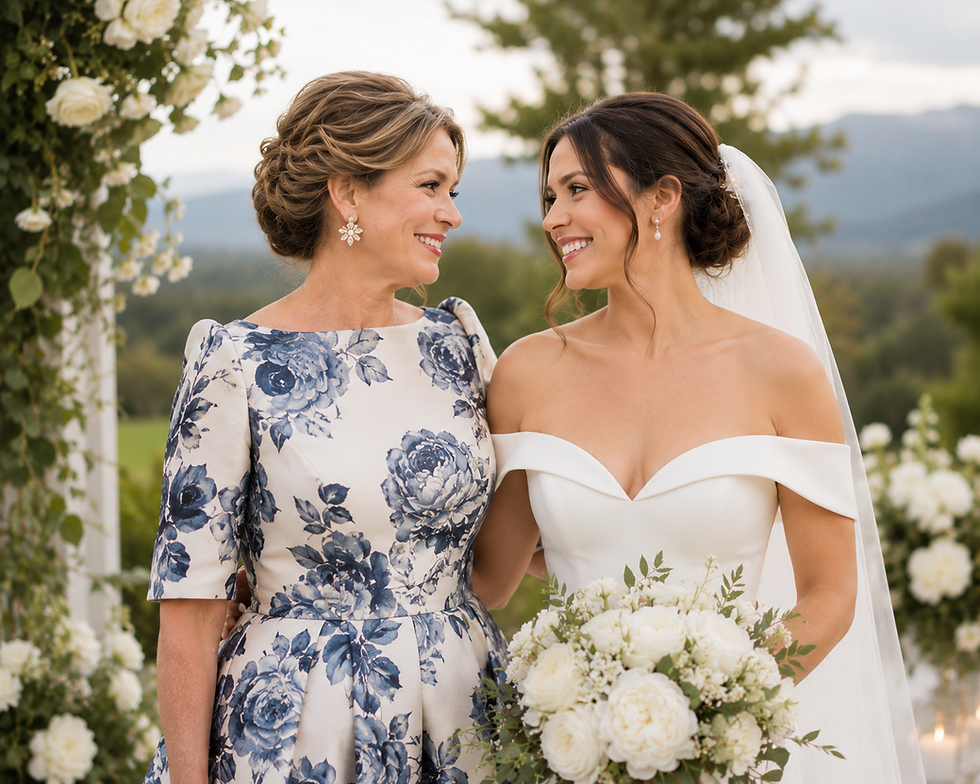
Start Early to Avoid Last-Minute Stress
One of the most important steps is to begin alterations well in advance of the wedding day. Wedding timelines can be tight, and last-minute changes often lead to rushed work or limited options.
Schedule your first fitting at least 6 to 8 weeks before the wedding.
Allow time for multiple fittings, as some adjustments require fine-tuning.
Early preparation gives your tailor enough time to address unexpected issues.
Starting early also gives you the chance to test the dress with the shoes and accessories you plan to wear, ensuring the length and overall look are just right.
Choose an Experienced Tailor Specializing in Formalwear
Not all tailors have the same skill set, especially when it comes to formal dresses. A mother of the bride dress often features delicate fabrics, intricate beading, or lace that require careful handling.
Look for a tailor with experience in wedding or formal dress alterations.
Ask for recommendations or check reviews to find someone trusted.
Discuss the dress fabric and design details upfront to confirm they can handle the work.
An experienced tailor will know how to preserve the dress’s original beauty while making necessary adjustments.
Focus on Fit and Comfort
The goal of alterations is to create a dress that fits perfectly and feels comfortable throughout the day. Comfort is key since the mother of the bride will be active, greeting guests, and participating in photos.
Pay attention to the bust, waist, and hips for a flattering fit.
Ensure the dress allows for easy movement, especially when sitting or walking.
Consider adding or adjusting sleeves, straps, or lining for extra comfort.
Sometimes, small changes like adding a modesty panel or adjusting the neckline can make a big difference in confidence and comfort.

Communicate Clearly with Your Tailor
Clear communication is essential to get the results you want. Bring photos or inspiration if you have a specific look in mind. Be honest about what you like and don’t like about the dress.
Discuss any concerns about fit or style before the first fitting.
Ask questions about what alterations are possible and how they will affect the dress.
Confirm the timeline and cost upfront to avoid surprises.
Good communication helps avoid misunderstandings and ensures the final dress matches your vision.
Pay Attention to Details and Finishing Touches
Small details can elevate the dress and complete the look. Consider these finishing touches during your alteration process:
Hem length should complement your shoes and the wedding venue.
Adjust or add embellishments like beads, lace, or buttons if needed.
Check the zipper or closures for smooth operation.
Sometimes, adding a sash or belt can enhance the silhouette and add a personal touch.

Plan for Final Fitting Close to the Wedding
Schedule your last fitting as close to the wedding day as possible, ideally within a week. This ensures the dress fits perfectly after any weight changes or adjustments in posture.
Bring your wedding shoes and accessories to the final fitting.
Practice sitting, walking, and moving to confirm comfort.
Make sure the tailor has time for any last-minute tweaks.
This final step guarantees you look and feel your best on the big day.


Comments